Organizing an adventure trip involves making choices between several variables: destination, mode of transportation, duration, budget, and group composition. Rather than piling up lists of generic advice, this article compares the most common adventure travel formats in France and abroad, and then analyzes recent trends that are redefining the way we travel.
Adventure Travel Formats: Comparative Table by Terrain Criteria
The choice of format conditions the rest of the organization. Comparing road trips, hiking treks, guided custom trips, and immersive stays allows us to visualize the differences based on the criteria that matter.
| Criterion | Road trip (car/van) | Hiking trek | Guided custom trip | Immersive stay (skillcation) |
|---|---|---|---|---|
| Autonomy | High | Medium to high | Low to medium | Low |
| Physical level required | Low | High | Variable | Low to medium |
| Suitable for families with children | Yes | Limited (from 8-10 years) | Yes | Depends on the theme |
| Itinerary flexibility | Maximum | Low (marked trails) | Medium (customizable in advance) | Low (structured program) |
| Typical destinations | France, Europe, North America | Mountains, Africa, Asia | All continents | Europe, Asia, Latin America |
| Logistics to plan | Vehicle, accommodations, itinerary | Equipment, supplies, stages | Delegated to the agency | Delegated to the organizer |
The road trip remains the most flexible format for families, as it allows adapting the pace to daily life. In contrast, the hiking trek requires a physical commitment and planning of stages that limit spontaneity.
Guided custom trips (offered by agencies like Terdav or specialized organizations) delegate logistics, which suits travelers who want adventure without managing every detail. For those who wish to discover trips with Babar Autour du Monde, this type of formula combines inspiration and concrete support.
Skillcation and BookTok Tourism: Two Travel Trends on the Rise Since 2025
Competing content focuses on practical organization or travel stories. Two recent trends, documented by the specialized press, are changing the way travelers choose their destinations.
Traveling to Learn a Skill
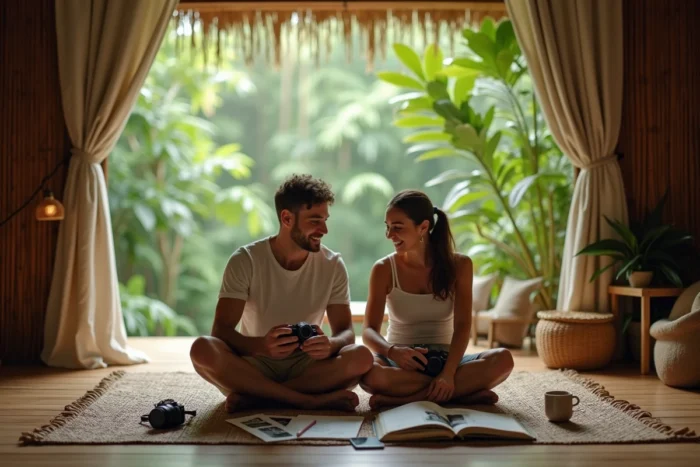
Since 2024-2025, stays focused on skill acquisition (craftsmanship, cooking, photography, languages) have been growing under the term skillcation. Le Figaro Voyages identifies this practice as a strong travel trend in 2026, described as “Erasmus for adults.”
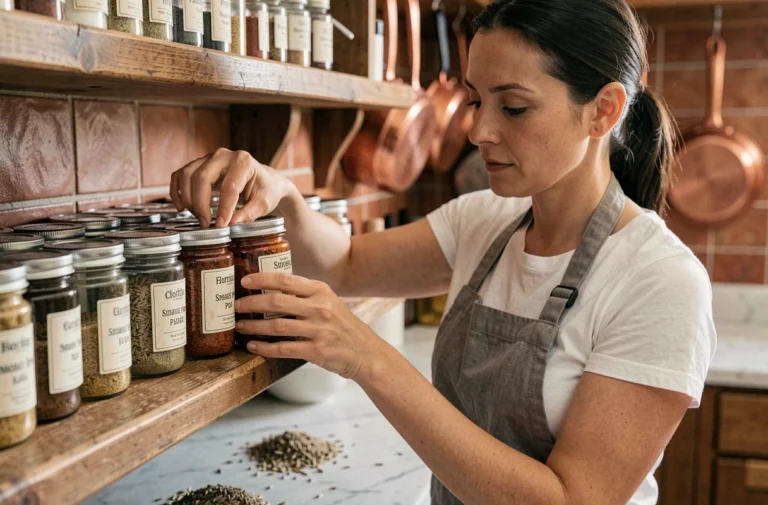
The principle is to structure a stay around learning guided by local professionals. The traveler no longer just visits a destination: they return with a know-how. This format is suitable for both France (pottery workshops in Provence, cooking classes in the Basque Country) and more distant destinations in Asia or Latin America.
Itineraries Inspired by Literature and Social Media
The BookTok community on TikTok has been generating a new category of travel since 2025: itineraries built around best-selling novels. Iconic bookstores, locations where the plot unfolds, author cafes – some agencies are starting to market these literary routes.
This phenomenon illustrates a shift in sources of travel inspiration. Algorithmic recommendations (via TikTok or Instagram) complement, or even replace, traditional paper guides or travel blogs.
Preparing an Adventure Trip with Family: Key Trade-offs
The composition of the group radically changes the preparation. Traveling with children is not just about “adapting the pace.” Three trade-offs deserve a more detailed analysis.
- Duration of daily stages: with children under six, a road stage longer than three hours degrades the experience for the whole group. It is better to multiply stops with nature activities than to extend the daily mileage.
- Choice between nature and city: mountain or coastal destinations provide an environment where children can become independent more quickly. Urban stays in Europe work better in short formats, with targeted activities.
- Desired level of supervision: a 100% autonomous trip in a van with children requires heavy logistics (sleeping arrangements, meals, safety). A guided custom trip reduces parental mental load, which changes the very nature of the stay.
For families hesitating between France and abroad, nature destinations in France (Alps, Pyrenees, Cevennes, Atlantic coast) have the advantage of limiting transport time and simplifying medical logistics.
Adventure Destinations 2026: France, Europe, or Further Afield
The choice of destination depends on the chosen format and the level of adventure sought. Rather than an exhaustive list, here are the three categories that emerge from current trends.
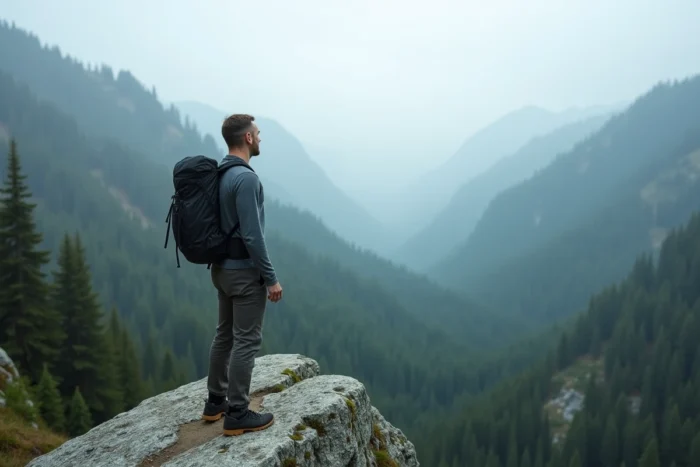
In France, off-the-beaten-path treks are gaining ground. Less frequented massifs (Vercors, Aubrac, Mercantour) attract travelers seeking nature without the crowds of the most well-known GR trails. Summer mountain vacations, combining hiking and river activities, constitute a family format that works for stays of one to two weeks.
In Europe, road trips in the Nordic countries or the Balkans offer a favorable ratio of change of scenery/accessibility. The self-guided trek remains the dominant format for European adventure, with well-documented routes in Norway, Scotland, or the Dolomites.
For distant destinations, Africa (Morocco, Tanzania, Madagascar) and Southeast Asia remain classics of adventure travel. The novelty comes from the formats: immersive stays with local learning are gradually replacing traditional panoramic tours.
Adventure travel in 2026 is characterized by this diversification of formats. The choice of “how to travel” now weighs as much as that of “where to go”. Whether the project is a family road trip in France, a mountain trek, or a skillcation abroad, the key remains to define the format before the destination, not the other way around.