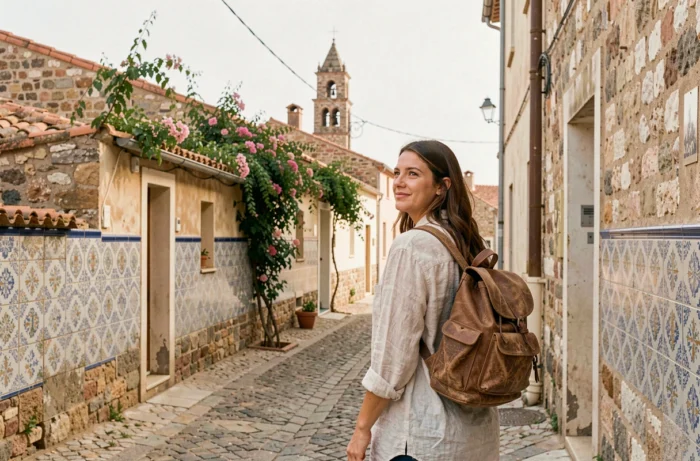
An authentic journey is defined by direct contact with a territory, its inhabitants, and their daily practices, as opposed to standardized tours where accommodation, dining, and visits remain disconnected from the local fabric. This approach to travel emphasizes immersion in places where mass tourism has not yet standardized the experience, and where landscapes, culture, and gastronomy retain their uniqueness.
Overtourism: what distinguishes an authentic destination from a saturated spot
The notion of authenticity in travel is not a marketing gimmick. It is based on measurable criteria: pressure on local resources (water, waste management, condition of trails), congestion of transportation around sites, and residents’ perceptions of visitors.
When a place reaches a threshold of overtourism, the travel experience deteriorates for everyone. Queues replace contemplation, local businesses give way to franchises, and natural heritage erodes under the pressure of footsteps.
Some European destinations have begun to implement daily access caps on their most fragile sites. The European regulation 2024/1028, adopted in April 2024, also governs the collection of data on short-term rentals, with mandatory registration procedures in the affected areas. This regulatory framework reflects a growing awareness: the regulation of flows has become a concrete tool, not just a call to travel off-season.
To identify a preserved destination, it is better to observe local indicators (visitor numbers by hour, resident reviews, condition of infrastructures) rather than relying on global rankings by country, which mask huge regional disparities.
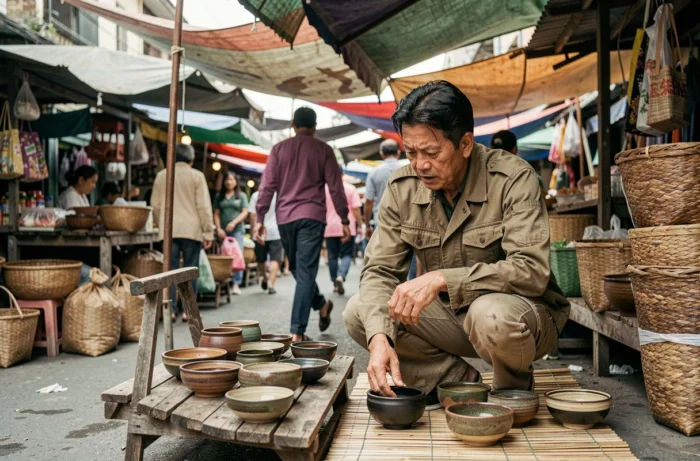
Destinations in Europe where nature remains a preserved adventure ground
Europe offers pockets of wild nature that classic holiday catalogs do not always exploit. Tours offered on the Comptoir des Voyageurs website illustrate this logic by directing travelers to territories where adventure involves hiking, kayaking, or engaging with rural communities.
Among the regions that deserve special attention:
- The high plateaus of Iceland, beyond the heavily visited Golden Circle, where multi-day hikes traverse lava fields, wild hot springs, and glacial valleys without encountering a single tourist bus.
- The mountains of northern Greece (Zagori, Epirus), where stone villages connected by Ottoman bridges offer a network of marked trails far from the crowds of the islands.
- The Aragonese Pyrenees in Spain, with deep canyons, preserved wildlife (bearded vultures, marmots), and villages where pastoral life still shapes daily life.
The authenticity of a European destination is measured by the distance between the main tourist site and the rest of the territory. A whole country is never “overtouristed”: it is specific points that are. Moving away by a few dozen kilometers radically changes the experience.
Travel outside Europe: choosing a country based on the type of experience sought
The choice of a distant destination is best guided by the type of experience desired rather than a list of “must-see countries.” Two travelers in Nepal will have radically different experiences depending on whether they aim for a high-altitude trek or an immersion in the Gurung villages of the Manaslu valley.
Landscapes and high-altitude trekking
Nepal remains a reference for challenging hikes. The circuits around Manaslu, for example, pass through villages like Barpak and Laprak, traverse valleys of Tibetan culture, and cross passes over five thousand meters. This type of trek requires real physical preparation and appropriate logistics (specific permits, local porters, gradual acclimatization).
Namibia offers a different experience: mineral deserts, monumental dunes, and wildlife in community concessions managed by local populations. Community tourism generates direct income for residents, which changes the relationship between visitor and territory.
Culture and living heritage
Japan offers a striking contrast between ultramodern megacities and millennia-old traditions still practiced daily (tea ceremony, lacquer craftsmanship, matsuri festivals in rural villages). Peru, on the other hand, combines major archaeological sites with Andean communities where textiles, the Quechua language, and ancestral agricultural techniques remain vibrant.
An unforgettable journey is born from the time spent in a place, not the number of places visited. Staying several days in the same region allows for observing local rhythms, establishing exchanges, and going beyond the tourist surface.
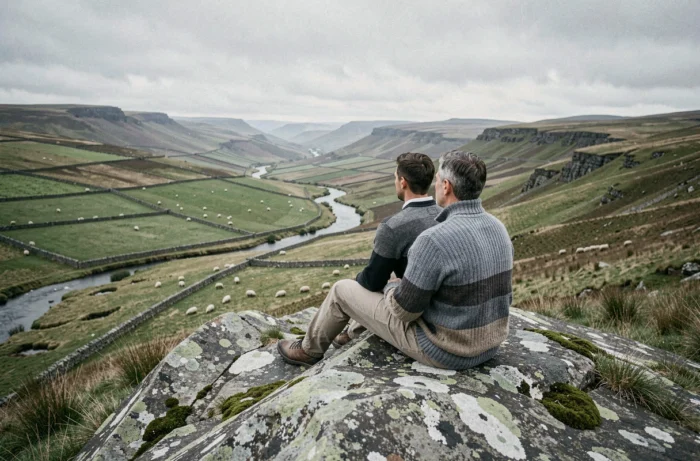
Concrete criteria for assessing the authenticity of a stay before booking
Before confirming a trip, a few simple checks can help estimate the actual degree of authenticity of the proposed stay.
- Accommodation: a lodge run by locals, a family guesthouse, or a bivouac supervised by local guides differ radically from an international resort. The local host is often the best indicator of authenticity.
- Group size: small group tours (fewer than ten participants) limit the impact on visited sites and promote interactions with the local population.
- Economic redistribution: check if the tour operator employs local guides and providers, and if a portion of the trip price funds community or environmental projects.
- Seasonality: an operator offering year-round departures to a fragile destination raises questions. Off-peak seasons exist for climatic or ecological reasons, and respecting them is part of the journey.
Authentic destinations do not always appear in travel magazine rankings. They can be identified by discreet signals: few photos on social media, absence of large hotel complexes, presence of local markets frequented by residents rather than tourists. The best trip begins with the choice of a place that no one has yet recommended to you.