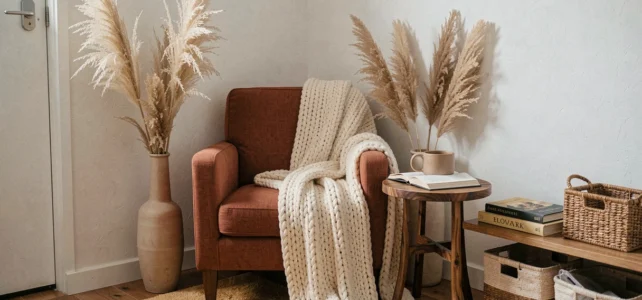
A warm interior does not rely on an accumulation of decorative objects. It is built through the combination of a few specific parameters: the color temperature of light sources, the density of textiles, the choice of matte or satin finishes, and the proportion of natural materials in the room. Transforming your interior into a trendy cocoon requires understanding these mechanisms before heading to the store.
Color temperature and warmth perception in a room
The sensation of warmth in an interior primarily depends on light. A bulb with a low color temperature (around 2,700 kelvins) produces an orange light that activates a perception of comfort. Bulbs above 4,000 kelvins, which are whiter, create a clinical atmosphere, not conducive to a cocoon.
This technical parameter explains why two identical rooms in terms of furniture can produce opposite sensations. The central ceiling light, often set to a neutral temperature, is the first element to replace or complement with indirect and low light sources: table lamps, filament string lights, candles.
Multiplying light points at sitting height or on the floor changes the perception of volume. The room feels more enveloping. Concrete inspirations for working on this approach room by room are regularly documented on the Butterfly Mag home site, with setups suitable for both small spaces and large living areas.
Textiles and density: what distinguishes a cocooning living room from a simply furnished one
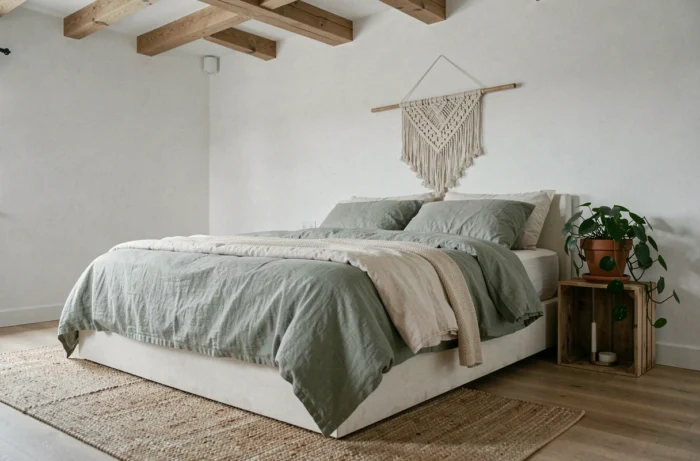
A sofa alone, even if comfortable, is not enough to create a cocooning atmosphere. What tips a space towards cocooning is the layering of textiles with varying densities. A chunky knit throw placed on a linen cushion, which is itself backed by a corduroy fabric: these tactile contrasts send a signal of comfort to the brain even before one sits down.
The rug plays a comparable role. A long-pile or woven wool rug absorbs sound and thermally insulates the floor. In a tiled room, the difference in sensation is immediate. The covered surface matters as much as the material: a rug that is too small under a coffee table breaks the cocoon effect instead of reinforcing it.
How to choose textile materials for a warm interior
- Washed linen provides a naturally crumpled texture that ages well and adapts to cushion covers as well as curtains. It works in all seasons.
- Velvet (cotton or recycled polyester) captures light differently depending on the angle, adding visual depth to a sofa or armchair.
- Curly wool or loop fabric, very present on seating for several seasons, adds relief without visually overloading the space.
- Waffle cotton, less known, offers a lightweight alternative for summer or mid-season throws while maintaining a textured appearance.
Japandi and wabi-sabi styles: structuring a cocoon without accumulation
SERP competitors talk about cocooning decor in terms of addition: adding cushions, adding candles, adding a throw. The Japandi approach (a contraction of Japanese and Scandinavian) reverses this logic. It relies on the reduction of the number of objects in favor of their sensory quality.
A light wood piece of furniture with simple lines, a unique raw stoneware vase, a natural linen floor cushion: three elements are enough to set a mood. Wabi-sabi extends this logic by valuing imperfections, slightly irregular ceramics, unvarnished wood that bears the marks of time.
These two styles share a common operational point: they work particularly well in small spaces. Where the accumulation of decorative objects creates a feeling of suffocation in a studio or a one-bedroom apartment, the subtraction approach visually enlarges the room while maintaining warmth.
Color palette suitable for a minimalist cocoon
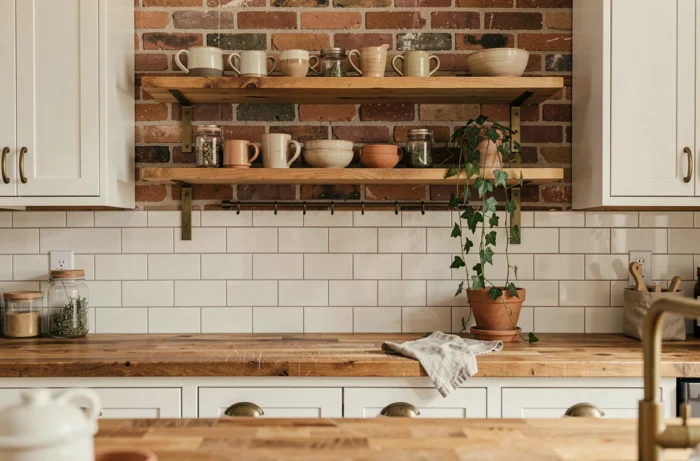
Japandi favors muted shades: sandy beige, warm gray, pale terracotta, sage green. These colors absorb light instead of reflecting it, which reduces harsh contrasts in the room. Matte finishes on the walls enhance this effect.
An accent wall in a stronger hue (terracotta, clay brown) can replace an overloaded painting or shelf. It is a low-cost decor lever that radically changes the perception of a living room or bedroom.
Cloud sofa trend: the central piece of the cocoon living room in 2026
The cloud sofa (also called cloud or bubble depending on the manufacturers) is characterized by very deep seat cushions, a low structure, and padded armrests that extend the usable surface. Its rounded shape breaks with the straight lines of classic sofas.
This trend, which has accelerated since 2024, responds to a practical use: the sofa is no longer just a seat; it is an extended resting area. Reading, napping, occasional remote work: the seat depth and foam density determine the versatility of the furniture.
Technical criteria for a durable cocooning sofa
- The foam density of the seat must be high enough to prevent sagging after a few months. High-resilience foams retain their shape longer than standard foams.
- The removable cover makes maintenance easier and allows for changing the cover according to the season (light linen in summer, velvet in winter).
- A seat depth of over 55 centimeters transforms the sofa into a true relaxation zone, but it may pose problems in narrow rooms: measure the circulation space before purchasing.
The cloud sofa serves as the visual anchor of the living room. Textiles, light, and the color palette revolve around it. Choosing this piece of furniture first simplifies all subsequent decor decisions, from the rug to the cushions to the curtains.
Transforming an interior into a warm cocoon does not require replacing everything. Working on light, layering textures, and prioritizing the quality of materials over the quantity of objects produces visible results from the first changes. The real comfort of a room is measured by the time one wants to spend there, not by the number of cushions placed on the sofa.