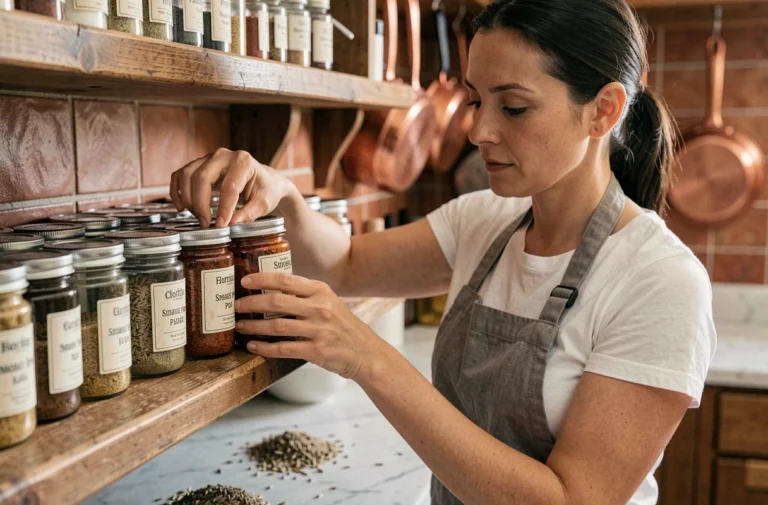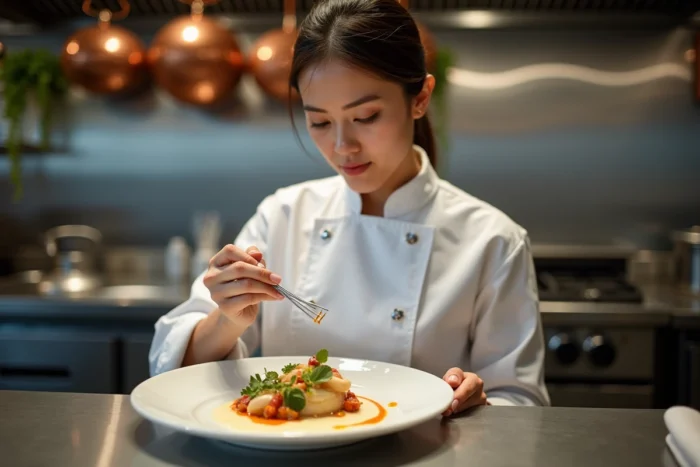
A restaurateur adding a CBD dessert to their summer menu or a baker reformulating their labels to indicate a new allergen: these situations, commonplace just two years ago, now require checking a stack of regulatory texts. The culinary news of 2026 is not just about trendy recipes. It involves labeling, traceability, and compliance constraints that change the way a dish is conceived, from the producer to the plate.
Meat Labeling in Processed Dishes: What Changes in Professional Kitchens
When purchasing a vacuum-packed shepherd’s pie or preparing a terrine for resale, the origin of the meat was not always clear. An amendment adopted by the Senate on June 30, 2026, now requires indication of the country of birth, rearing, and slaughter on processed products containing meat.
Simplified formulations remain possible, but the text excludes products containing less than 8% meat. In practice, a caterer selling pies or prepared dishes must review their labels, verify the supply chain of each batch, and adapt their technical sheets.
This type of regulatory update is regularly found among the news on À Nos Petits Fourneaux, where developments affecting the daily lives of chefs are documented over time.
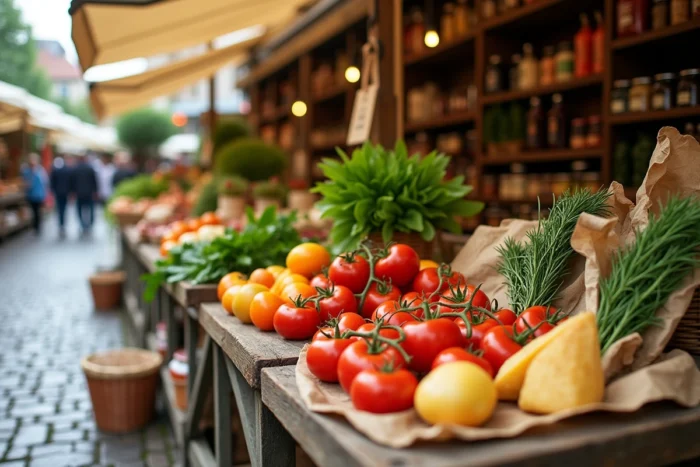
For restaurants displaying “French meat” on their menus, traceability becomes a verifiable commercial argument. A check can now require documents proving the origin, not just a declaration of honor.
Allergens in Catering: Information Obligations for Establishments in France
Each dish sold must have an allergen sheet available, even if the menu changes daily. For a chef working with fresh products and improvised recipes, this means keeping an internal register up to date and training the front-of-house staff to answer questions.
What This Means Practically in the Kitchen
- Review the production sheets for each dish to identify major allergens (gluten, shellfish, eggs, nuts, etc.) present even in traces.
- Implement a traceability system for ingredients: when changing soy sauce suppliers, the allergenic composition may vary.
- Train staff in contact with customers, as the establishment’s responsibility is engaged as soon as incorrect information is communicated.
Feedback on this point varies depending on the size of the establishment: a bistro with three daily specials adapts faster than a brasserie offering forty references.
CBD in the Kitchen: A Regulatory Framework That Hinders Trendy Recipes
CBD (cannabidiol) remains one of the most discussed ingredients in culinary trends for several years. Pastries, infused drinks, aromatic oils: recipe ideas abound. The problem is regulatory.
In Europe, food CBD is classified as “novel food” and requires authorization before being marketed. As of 2026, no novel food authorization has yet been issued for CBD for food use in the European Union. A restaurateur offering a CBD dessert therefore risks non-compliance, even if the product is freely sold in some shops.
Pitfalls to Avoid for Artisans
Buying “food-grade” CBD oil online is not enough to make its use legal in catering. The control focuses on the finished product served to the customer, not on the supplier’s label.
For artisans who want to stay on trend without exposing themselves, the only reliable option remains to wait for the publication of an official European authorization. However, using traditional food-grade hemp (seeds, flour) is perfectly allowed and allows for exploring similar flavors.
Culinary Trends 2026: What’s Really Coming to Plates in France
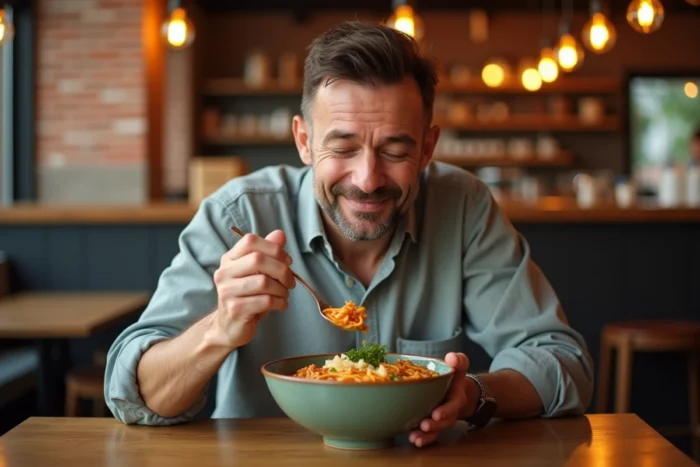
Beyond regulatory constraints, several underlying movements are shaping cuisine in France this year. Comfort food remains omnipresent, driven by a return to family dishes and long cooking times. We also see Korean cuisine continuing its rise in major cities, with fermented sauces making their way into French chefs’ recipes.
Bold fusion cuisine replaces timid fusion: the blending of influences is no longer hidden; it is proudly displayed on the menu. The omakase format (tasting menu left to the chef’s choice) is gaining ground in medium-sized restaurants, not just in starred establishments.
- The return of the bistro as the dominant format in Paris and the regions, with short menus and traceable local products.
- The rise of functional ingredients (adaptogens, fermented foods, enriched legumes) in everyday dishes.
- New textures created using air fryers or low-temperature cooking, including for seasonal fruits and vegetables.
The common thread of these trends: they all require increased attention to labeling and communication. Displaying composition and origin is no longer a marketing option; it is a legal obligation that conditions the sale.
A chef wishing to offer a fusion dish with an imported fermented sauce must verify the compliance of each ingredient, indicate potential allergens, and, if the dish is sold to go, comply with the new labeling rules for processed products. Culinary creativity in 2026 relies as much on mastering recipes as on understanding the regulatory framework surrounding them.