The additional birth leave, accessible from July 1, 2026, for children born or adopted from January 1, 2026, reshapes the postpartum framework in France. This new measure directly modifies the duration during which a parent can stay with their child while receiving compensation.
Several other legislative and cultural developments are affecting mothers this year, from strengthening the rights of parents of sick children to the emergence of trends like the Butter Mom phenomenon on social media.
Additional birth leave: compensation and eligibility conditions
This leave does not replace traditional maternity leave. It complements it, with a usage window of nine months after the birth or arrival of the child in the household.
The compensation operates on a decreasing scale: 70% of the net salary in the first month, then 60% in the second, within the limits set by social security. Compared to the total absence of income that previously accompanied any voluntary extension beyond legal maternity leave, the gain is direct.
For a working mother, this means being able to stay with her baby without immediately transitioning to unpaid parental leave. The difference is measured in months of financially sustainable presence.
Eligibility is not limited to private sector employee contracts. Self-employed, civil servants, freelance professionals, and adoptive parents can also benefit from it. This opening contrasts with previous measures, often restricted to traditional employment. Several news articles on Le Petit Blog de Maman detail the administrative procedures related to these new rights.

Law of June 12, 2026: protection for parents of seriously ill children
The law no. 2026-492 of June 12, 2026, published in the Official Journal the following day, establishes a protective framework for parents of children with serious illnesses or disabilities. The text goes beyond mere symbolic adjustments.
Working mothers facing repeated absences for their child’s care or hospitalizations previously found themselves in a legal gray area. Their professional situation could deteriorate without clear recourse.
Concrete guarantees for job retention
The measure provides protections against dismissal during periods of medical support.
- Enhanced protection against termination of employment during the care of a sick or hospitalized child
Butter Mom trend: a vision of motherhood on social media
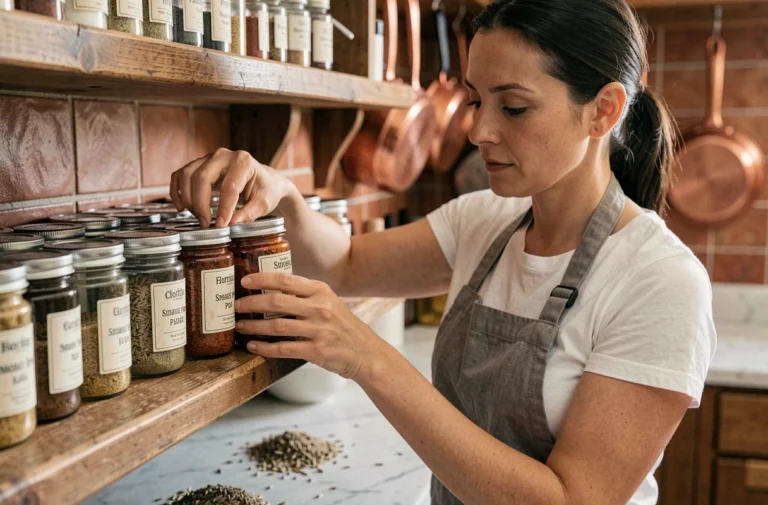
The Butter Mom trend has been circulating on social media since the beginning of 2026. Its principle is based on promoting a relaxed approach to motherhood, focused on homemade meals, unprocessed foods, and rejecting restrictive diets.
Butter, long viewed negatively in diet cultures, becomes a symbol of unrestrained eating here. This trend stands in contrast to figures like the Almond Mom, associated with strict food control.
The limits of a social aesthetic
Cooking every meal from fresh products requires time, a comfortable food budget, and a domestic organization that not all families can achieve. This is the main reservation expressed by several observers: the gap between the projected image and the material realities of motherhood.
The trend functions more as a visual ideal than as an applicable guide. For a single mother or a family with modest income, the distance from this staged daily life remains significant.

Parenting blogs and social media: two formats, two functions
Several analyses published in 2026 indicate a return to parenting blogs, at the expense of influencer content on social platforms. The main reason lies in the format: a blog article develops a topic in several hundred sourced words, whereas a reel condenses everything into thirty seconds.
Moms seeking reliable information about their rights, childcare options, or regulatory changes find the long format to be a more exploitable resource. Specialized blogs allow for citing legal texts, cross-referencing sources, and updating content when legislation changes.
Social media does not disappear as a channel for parental information. Its role evolves: it serves as a quick entry point, while blogs ensure in-depth treatment. The distinction between visual inspiration and verifiable information increasingly shapes parents’ reading habits.
The year 2026 concentrates tangible changes for French mothers. The additional birth leave alters the financial equation of postpartum, the law of June 12 protects parents of sick children in their employment, and trends like Butter Mom question the norms of digital motherhood. These developments, while distinct, point to a common issue: the recognition of maternal time as a structuring element in public policies and social representations.