After 60, the body takes longer to recover, your joints make themselves known in the morning, and everyday tasks call for a little more care. Healthy aging is about more than seeing your doctor once a year. It comes down to a series of practical choices—sometimes small ones—that help preserve your health, vitality and, above all, independence over the long term.
Independence after 60: your home as the first line of prevention
Have you ever tripped over a rug or fumbled for the light switch in a dark hallway? These minor mishaps, barely a concern at 40, become genuine fall risks after 60. Making your home safer reduces the risk of falls far more than balance exercises alone.
In practice, this means improving the lighting (for example, by installing motion sensors in hallways), clearing obstacles from the floor, adding grab bars in the shower and fitting non-slip coverings on stairs. These are not major renovations, but their impact on helping people remain at home is well documented by prevention professionals.
These changes are especially important for people who live alone or in rural areas where home care is hard to find. When it takes several weeks for a care worker to become available, the home itself needs to make up the difference. Resources dedicated to Santé Bien-Être for seniors can help you identify the right support for your situation.
Healthy aging in rural areas: when access to care makes prevention harder
Not all older adults live near a doctor’s office, a physical therapist or a home care service. In some areas, the nearest healthcare professional may be dozens of miles away. This reality can turn prevention into an obstacle course.
The Well-Aging Act and its practical impact
The Act of April 8, 2024, known as the “Well-Aging Act,” provides for financial support to help home care workers travel to their clients, as part of the 2025 funding plan for the Autonomy branch. In practical terms, home health aides and personal care assistants who travel long distances to visit people living in isolation receive better reimbursement for their expenses.
Another step forward is the gradual rollout of the Departmental Public Autonomy Service (SPDA), which began in 2025. The initiative aims to coordinate local access, guidance and responses to people’s support needs. Its introduction does not yet guarantee that professionals will be available everywhere, but it does give families a single point of contact.
Take action while you wait for these services
While these measures are being rolled out, a few simple steps can make a difference:
- Find out now where your nearest Local Information and Coordination Center (CLIC) is. It can guide you toward the support available in your department
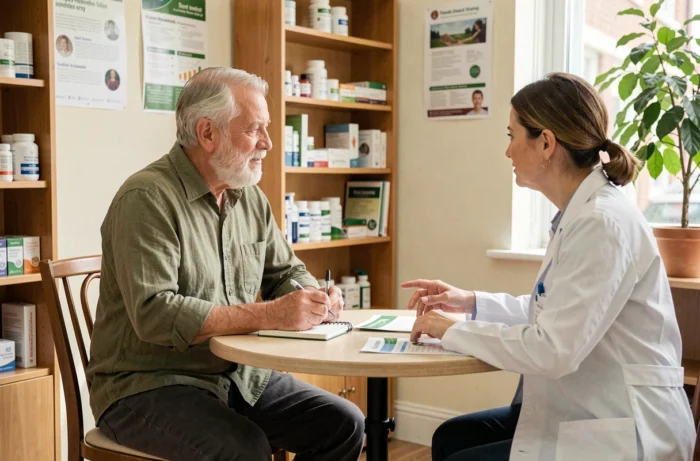
- Arrange a preventive health check with your primary care doctor, specifically discussing vaccinations (pneumococcal disease, shingles) and screenings appropriate for your age
- Build an active neighborhood support network, even an informal one, to look out for signs of frailty among isolated people in your area
Physical activity after 60: focus on the right amount, not the right sport
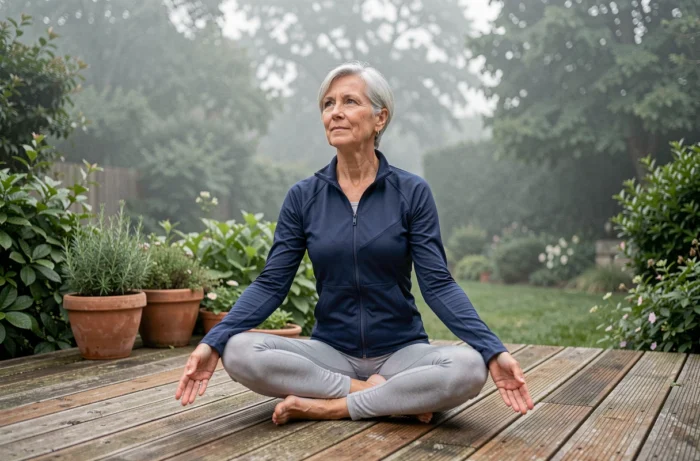
Walking, swimming and stationary cycling are familiar recommendations. What is less widely known is that consistency matters more than intensity. Three 20-minute sessions a week are more beneficial than one exhausting Sunday outing.
A common pitfall is returning to exercise too abruptly after months of inactivity. At 65, your body does not recover as it did at 35. A gradual program approved by a healthcare professional helps prevent injuries, which can accelerate the loss of independence.
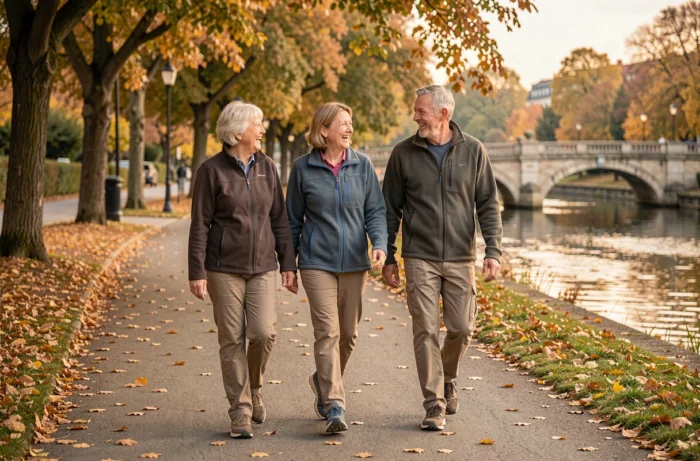
Do you live alone and struggle to stay motivated? Group classes offered by some municipalities and local associations combine physical activity with social connection. This double benefit is not just a bonus: social isolation is as well-documented a risk factor for cognitive decline as a sedentary lifestyle.
Vaccinations and medical care for older adults: gaps to address
Regular medical checkups are recommended everywhere. But one aspect is often overlooked: vaccinations specifically recommended for adults over 60.
Recent French recommendations highlight two vaccines in particular for this age group: the pneumococcal vaccine and the shingles vaccine. The schedule depends on each person’s age and medical circumstances, so it is important to discuss it with your primary care doctor.
Many older adults think vaccinations are mainly for children or that they only need an annual flu shot. Bringing it up during a consultation can help you review all your vaccinations, including diphtheria, tetanus and polio boosters.
Diet and aging: two commonly overlooked issues
Rather than repeating the usual list of fruits, vegetables and protein, let’s focus on two common issues after 60:
- Dehydration that goes unnoticed: the sensation of thirst diminishes with age, so many older adults do not drink enough. Keeping a bottle of water in sight and drinking at set times, even when you are not thirsty, reduces the risk of confusion, fatigue and falls
- Loss of appetite linked to isolation: eating alone day after day can make cooking less enjoyable and lead to lower nutritional intake. Sharing a meal with a neighbor once a week or signing up for a home meal delivery service can help maintain a healthy diet day to day
Staying healthy after 60 depends on practical steps tailored to your home, your area and your medical needs. The 2024 Well-Aging Act opens up new possibilities, and the SPDA is being rolled out, but the first steps are still in your hands: make your home safer, stay active, review your vaccinations and keep connected with the people around you.